

BLOG

2026 Best Scenic Bus Types for Global Buyers

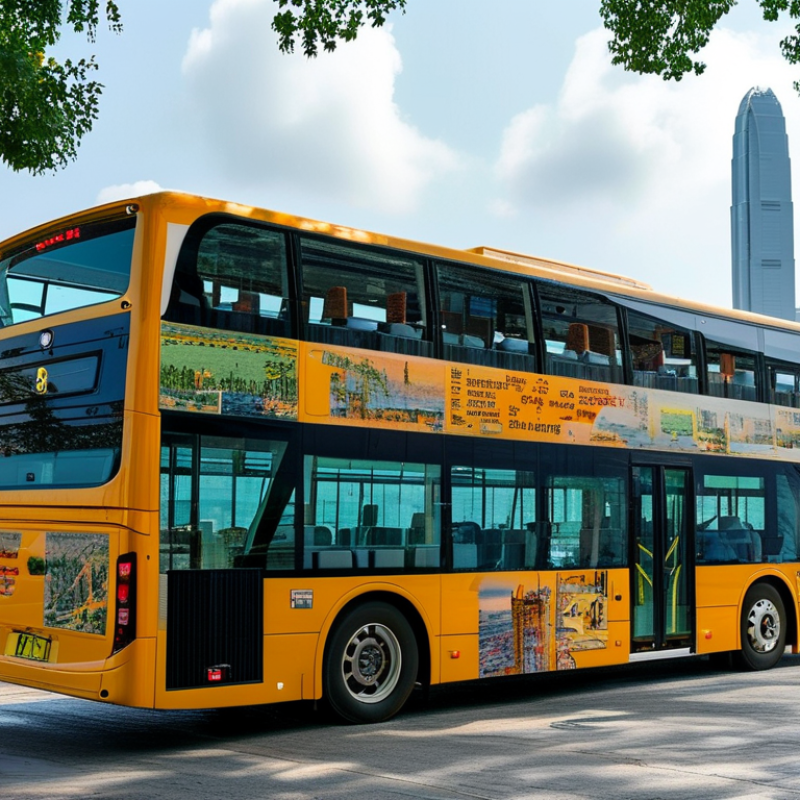
In 2026, choosing a Scenic Bus means matching vehicle design with real passenger journeys. A double-decker open-top bus can frame city landmarks beautifully. However, it may struggle with low branches, strong crosswinds, and steep terminal ramps. A battery-electric shuttle offers quiet travel beside museums, parks, and waterfronts. It still needs reliable charging, thermal management, and sufficient reserve range.

The International Energy Agency’s Global EV Outlook 2024 reported continued growth in electric bus sales, with China holding the largest market share. UN Tourism’s World Tourism Barometer, published in January 2025, reported that international tourist arrivals recovered to 99% of 2019 levels during 2024. These signals support stronger demand for efficient sightseeing vehicles, but market growth alone does not identify the best bus type. That requires closer field judgment.

This guide compares open-top double-deckers, panoramic coaches, electric city shuttles, low-floor sightseeing buses, and hybrid touring models. It examines passenger visibility, seating comfort, accessibility, climate control, route clearance, charging access, maintenance support, and total ownership cost. A bus crossing a sunny coastal route faces different demands from one climbing a cold mountain road. Small details matter, including window glare, boarding height, luggage space, and ventilation around crowded stops.

No ranking is perfect. Manufacturer range figures may change under heat, hills, and heavy passenger loads. Buyers should verify local operating data before signing contracts. The strongest Scenic Bus is not always the newest model. It is the vehicle that remains safe, comfortable, serviceable, and financially realistic across its intended routes.
2026 Best Scenic Bus Types for Global Buyers

Scenic Bus Types: Definitions, Structures, and Main Uses

2026 Best Scenic Bus Types for Global Buyers

Scenic bus types are passenger vehicles designed to improve outward views during guided or self-directed travel. Their main forms include open-top buses, panoramic-roof buses, high-deck coaches, and compact sightseeing shuttles. Each type balances visibility, weather protection, capacity, and operating cost.

An open-top bus uses a reinforced upper structure, weather-resistant seats, and removable or fixed safety rails. It suits dense cities, historic districts, and warm climates. A panoramic-roof bus adds large roof glazing, sealed side windows, strong air conditioning, and ultraviolet protection. It serves mountain routes, coastal roads, and attractions where rain or cold weather is common.

High-deck coaches raise passengers above traffic, creating wider sightlines and more luggage space. They work well on longer scenic routes. Compact shuttles use shorter bodies and tighter turning circles. They fit parks, resorts, airports, and narrow heritage streets.

The chassis, suspension, braking system, and body frame need careful matching. Large glass panels increase weight and may raise cooling demand. That detail is easy to underestimate. Buyers should check passenger flow, step height, wheelchair access, emergency exits, visibility, and local road rules. Battery-electric versions can reduce street noise, but range may fall on steep routes or in extreme temperatures. Diesel alternatives may offer longer duty cycles, yet emissions requirements differ by market. In practical fleet reviews, operators often focus on appearance first and maintenance later. That is a costly habit. A scenic bus succeeds when its structure supports safe viewing, simple cleaning, reliable ventilation, and predictable service in real operating conditions.

How to Compare Scenic Buses by Capacity, Comfort, and Design

2026 Best Scenic Bus Types for Global Buyers

When comparing scenic buses, capacity should match the route, not only the sales brochure. A 20–30-seat midi bus suits narrow mountain roads and smaller groups. A 40–55-seat coach improves cost efficiency on major attractions. Larger vehicles may increase revenue, but they can struggle with tight turns and crowded viewpoints. The International Energy Agency’s Global EV Outlook 2024 reported that electric bus sales grew by about 30% in 2023. This supports electric options for quiet urban sightseeing, though charging time still affects daily schedules. Range estimates can disappoint in cold weather or steep terrain.

Comfort is more than soft seats. Check seat pitch, aisle width, step height, luggage space, and window visibility. A passenger beside a large wheel arch may notice poor planning quickly. Air-conditioning should maintain stable temperatures near panoramic glass, where sunlight can create hot spots. Accessibility also matters. Low-entry access, a clear wheelchair area, handrails, and readable stop information improve real travel conditions. The World Health Organization’s Global Status Report on Road Safety 2023 estimated 1.19 million annual road deaths worldwide, so visibility, braking systems, driver ergonomics, and structural protection deserve equal attention.

Tips: Request a loaded test drive. Count standing passengers. Measure the turning circle. Inspect glass glare at noon. Ask for verified energy, maintenance, and accessibility data. Do not trust a perfect range figure. Real routes are messier.

2026 Best Scenic Bus Types for Global Buyers

How to Compare Scenic Buses by Capacity, Comfort, and Design

How to read the chart: Open-top double-deckers provide the highest sightseeing seat capacity, while panoramic coaches prioritize long-distance comfort with mostly seated passengers. Low-floor sightseeing buses offer easier boarding and more standing capacity for short urban routes. Electric midibuses are suited to narrow streets, lower passenger volumes, and quieter low-emission operations.

The figures are representative planning values based on common vehicle configurations used in international sightseeing and public-transport operations. Actual capacity, wheelchair allocation, seat pitch, and local approval limits vary by vehicle layout and market regulations.

Open-Top, Panoramic, Electric, and Luxury Scenic Bus Options

2026 Best Scenic Bus Types for Global Buyers

Open-top buses suit warm, historic routes with clear sightlines and frequent photo stops. Panoramic buses offer glass roofs, sealed cabins, and stable comfort in changing weather. They work better for mountain roads, coastal drives, and cooler cities. Luxury scenic buses add reclining seats, quieter cabins, premium lighting, and flexible luggage areas. Yet comfort can become excessive. Heavy interior finishes may reduce passenger capacity and increase energy use. UN Tourism reported 1.4 billion international tourist arrivals in 2024, reaching about 99% of 2019 levels. That recovery supports scenic transport, but buyers still need route-specific planning.

Electric Scenic Buses reduce street noise and local exhaust emissions. The International Energy Agency’s Global EV Outlook 2024 shows electric bus deployment expanding beyond early markets, although charging access remains uneven. Buyers should compare battery size with daily distance, hills, passenger load, and winter heating demand. A panoramic electric bus may look ideal on paper. It can disappoint when charging downtime disrupts tours. Experience from fleet operations suggests simple interiors, durable glass, and easy-clean flooring often outperform fragile luxury details.

Tips: Test the bus on the actual route. Check turning space, roof clearance, charging time, wheelchair access, and emergency ventilation. Request verified energy data under full passenger loads, not laboratory conditions. Small details matter.

2026 Best Scenic Bus Types for Global Buyers - Open-Top, Panoramic, Electric, and Luxury Scenic Bus Options
Scenic Bus Type Typical Passenger Capacity Powertrain Typical Operating Range Typical Vehicle Length Key Scenic Features Accessibility Features Best Use Cases Indicative Purchase Budget Primary Buyer Priority
Open-Top Double-Decker Bus 60–90 passengers Diesel, hybrid, or battery-electric 250–500 km per day, depending on powertrain 10.5–13.5 m Open upper deck, panoramic city views, removable weather protection, elevated sightseeing position Low-floor access may be available on the lower deck; wheelchair space and ramp options vary by configuration City sightseeing, historic districts, coastal routes, and high-volume tourist circuits Approximately US$250,000–US$650,000 Passenger capacity
Open-Top Single-Decker Bus 25–55 passengers Diesel, hybrid, or battery-electric 200–450 km per day, depending on route and climate 8–12 m Open roof or retractable roof, flexible body layout, good visibility on narrow scenic roads Step access is common; accessible lift or ramp can be specified for selected layouts Small and medium-sized tour routes, island destinations, parks, and heritage areas Approximately US$150,000–US$450,000 Route flexibility
Panoramic Glass-Roof Bus 25–55 passengers Diesel, hybrid, or battery-electric 200–450 km per day, depending on battery size or fuel tank 8–12 m Large side windows, glass roof or panoramic roof panels, climate-controlled cabin, enhanced landscape viewing Low-entry floor, wheelchair bay, handrails, and priority seating can be integrated Mountain roads, desert tours, coastal sightseeing, nature reserves, and all-weather excursions Approximately US$220,000–US$600,000 All-weather comfort
Battery-Electric Scenic Bus 20–60 passengers Battery-electric 150–350 km per charge under typical sightseeing conditions 8–12 m Quiet operation, zero tailpipe emissions, regenerative braking, low-vibration passenger experience Low-floor entry, wheelchair ramp, wheelchair bay, and kneeling function are commonly available Urban tourism, protected areas, low-emission zones, campuses, resorts, and short fixed routes Approximately US$300,000–US$750,000 Low emissions
Hybrid-Electric Scenic Bus 35–70 passengers Hybrid-electric with internal-combustion range extender 400–800 km per operating day, depending on fuel capacity and duty cycle 10–13 m Reduced idling, regenerative braking, lower fuel consumption in stop-and-go traffic, extended route flexibility Low-floor or lift-equipped layouts are available, depending on chassis design Long sightseeing routes where charging infrastructure is limited or inconsistent Approximately US$300,000–US$700,000 Range flexibility
Luxury Panoramic Coach 25– fifty-five passengers Diesel, hybrid, or battery-electric 350–800 km per day, depending on configuration 10–14 m Reclining seats, panoramic glazing, USB charging, onboard Wi-Fi options, luggage compartments, premium interior materials Accessible lift or ramp, reserved wheelchair area, and accessible restroom options may be specified Premium tours, wine routes, long-distance scenic journeys, resort transfers, and private group travel Approximately US$400,000–US$1,000,000 Passenger comfort
Compact Scenic Shuttle 12–30 passengers Diesel, gasoline, or battery-electric 120–300 km per day, depending on powertrain and route profile 5.5–8.5 m Compact turning radius, large windows, flexible seating, easy boarding, and efficient operation on narrow roads Low-step entry, fold-out ramp, wheelchair space, and priority seating can be included Resorts, airports, theme parks, zoos, historic towns, and short-distance attraction transfers Approximately US$90,000–US$300,000 Operating economy
Off-Road Scenic Shuttle 16–35 passengers Diesel, hybrid, or electric 4WD/low-speed configuration 100–300 km per day, depending on terrain and payload 6–10 m High ground clearance, reinforced suspension, wide approach angle, panoramic windows, and durable interior finishes Accessibility equipment depends on terrain requirements and vehicle floor height National parks, safari routes, mountain trails, geological sites, and rural tourism destinations Approximately US$180,000–US$600,000 Terrain capability
Solar-Assisted Electric Sightseeing Bus 20–45 passengers Battery-electric with auxiliary rooftop solar system 150–300 km per charge; solar assists auxiliary electrical loads rather than fully charging the bus 7–11 m Quiet drive, low operating emissions, rooftop photovoltaic panels, energy-efficient air conditioning, and educational sustainability value Low-floor entry, ramp, wheelchair bay, and priority seating can be configured Eco-tourism, resorts, campuses, exhibitions, waterfront routes, and sustainability-focused destinations Approximately US$320,000–US$800,000 Sustainability image
Indicative specifications and budgets are generalized 2026 market ranges for buyer comparison. Actual performance depends on passenger load, terrain, climate, battery capacity, charging infrastructure, local regulations, body configuration, and import costs.

Key Features for Different Routes, Climates, and Passenger Needs

2026 Best Scenic Bus Types for Global Buyers

Choosing a scenic bus starts with the route, not the passenger capacity.

Open-top buses suit mild coastal roads and historic districts with clear views. For mountain routes, high-floor coaches offer stronger visibility and better luggage space. Windows matter. Large, low-reflection glass helps passengers photograph forests, cliffs, and city skylines without distracting glare.

Climate changes the specification.

In hot, humid regions, strong ventilation, shaded glass, and efficient air conditioning reduce fatigue during slow traffic. In cold areas, insulated panels, sealed doors, and stable cabin heating protect passengers near frequently opened entrances. Wet routes need slip-resistant flooring and covered boarding steps. Dusty roads may require improved filtration, but excessive filtration can increase maintenance costs. A compromise remains.

Passenger needs deserve equal attention.

Families benefit from wider aisles, stroller storage, and clear restroom access. Older travelers need low entry steps, firm handrails, and seats that are easy to reach. Wheelchair users require verified ramp dimensions, secure restraint points, and enough turning space. Tour guides also need a quiet microphone system and visible displays for multilingual information. Route operators should test these features with real passengers before purchasing. A brochure cannot reveal every weakness. During evaluations, check window reflections at noon, air flow in the rear rows, and vibration over uneven pavement. Local safety and accessibility requirements must be confirmed before delivery.

Global Buying Factors: Safety, Regulations, Maintenance, and Cost

2026 Best Scenic Bus Types for Global Buyers

For scenic routes, high-deck coaches offer wide views, luggage space, and better passenger comfort. Low-entry buses suit short urban sightseeing loops and passengers with limited mobility. Battery-electric buses can reduce local noise and exhaust emissions, but route length and charging access remain decisive. The International Energy Agency reports continued growth in electric bus deployment, although charging infrastructure is still uneven across regions.

Safety should guide every purchase decision. The World Health Organization recorded about 1.19 million annual road deaths in its Global Status Report on Road Safety 2023. Buyers should request verified braking tests, rollover protection, emergency exits, seat-belt performance, and driver visibility data. UN Regulation No. 107 provides a useful reference for bus construction and emergency arrangements. Local approval still matters. A vehicle accepted in one market may need costly redesign elsewhere.

Maintenance planning is less glamorous. It matters more. Ask for parts availability, technician training, corrosion protection, and diagnostic support before signing contracts. Compare total cost over ten years, not only the purchase price. Electric models may reduce energy and routine service costs, while battery replacement creates uncertainty. Diesel models may offer familiar repairs but face stricter emissions rules. Industry projections can age quickly. Our own judgment should remain cautious, especially when climate, terrain, and passenger loading differ from test conditions.

Go to Top
