Why is an Injection Molding Machine Essential for Manufacturing?
The injection molding machine is a cornerstone of modern manufacturing. This technology shapes various industries by producing intricate plastic parts efficiently. According to a report by MarketsandMarkets, the global injection molding machine market is projected to reach $10.1 billion by 2025, driven by rising demand in automotive and consumer goods sectors.
Injection molding machines offer precision and speed. They allow for mass production of complex designs with minimal waste. This efficiency leads to better cost management. Yet, not all manufacturers fully utilize their capabilities. Some machinery remains underused due to a lack of understanding or improper training. An investment in training can yield significant returns.
Challenges also exist regarding sustainability. While injection molding is efficient, it often relies on petroleum-based materials. There is increasing pressure to adopt eco-friendly practices. Manufacturers must balance efficiency with environmental responsibility. Embracing innovative materials and processes is essential for the future of injection molding.
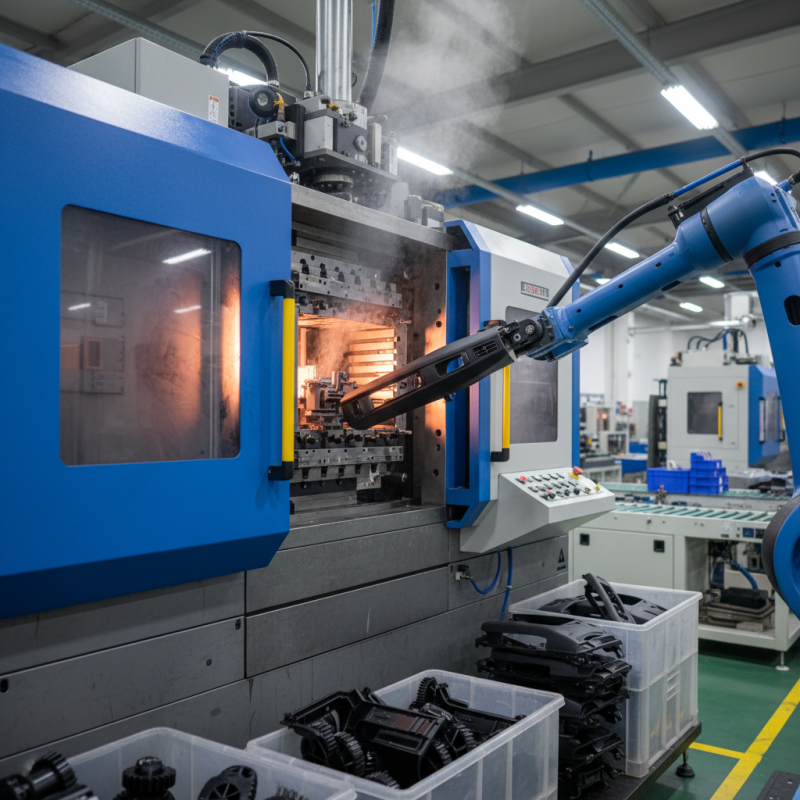
The Role of Injection Molding Machines in Modern Manufacturing
Injection molding machines play a pivotal role in modern manufacturing. They enable the production of complex parts with high precision and efficiency. According to a report by the SPI (Society of the Plastics Industry), around 30% of plastic components are made using this technology. This process allows manufacturers to create intricate designs that would be impossible with traditional methods.
Manufacturers benefit greatly from the scalability of injection molding. Producing thousands of identical parts within a short timeframe is achievable. However, there are challenges to consider. The initial investment for machines and molds can be substantial. Many companies struggle with waste management, as excess material can arise during production. Innovation in materials and technologies is necessary to mitigate these inefficiencies.
The impact on sustainability is also important. Efficient machines can reduce energy consumption and minimize waste. According to a study by the Plastics Industry Association, advancements in injection molding technology could cut energy use by up to 25%. Yet, there is still a long way to go. Continuous research and investment are key to improving these systems for a greener future.
Key Benefits of Using Injection Molding for Production Processes
Injection molding machines play a crucial role in modern manufacturing. They enable the mass production of precise and complex parts. This method is highly efficient, producing thousands of identical products in a short time. The speed and accuracy help reduce labor costs and minimize waste. Companies can scale their operations without sacrificing quality.
One key benefit of injection molding is material versatility. Manufacturers can use various plastics and composites. This adaptability allows for the creation of lightweight and durable products. However, choosing the right material is essential. Some materials may not perform well under certain conditions. This is a point that requires careful consideration during the design phase.
Another advantage is reduced post-processing. Since injection molding creates finished parts directly, there is often little need for secondary operations. This efficiency translates to cost savings. Yet, the initial setup for tooling can be expensive. Despite this drawback, the long-term gains often outweigh the upfront costs. Ultimately, the decision to use injection molding should be based on specific production needs.
Why is an Injection Molding Machine Essential for Manufacturing? - Key Benefits of Using Injection Molding for Production Processes
| Benefit |
Description |
Application |
| High Efficiency |
Injection molding allows for rapid production cycles, minimizing time and maximizing output. |
Mass production of plastic parts, including consumer goods and automotive components. |
| Cost-effectiveness |
Lower production costs per unit over high volume runs, especially for complex parts. |
Electronics and home appliance manufacturing. |
| Design Flexibility |
Complex geometries and intricate designs can be produced easily with injection molding. |
Medical devices and precision instruments. |
| Material Variety |
Compatible with a wide range of materials, including thermoplastics and thermosets. |
Packaging, automotive, and consumer products. |
| Repeatability and Consistency |
Ensures uniformity in products, maintaining high standards in production quality. |
Toys and industrial parts manufacturing. |
Understanding the Injection Molding Process and Its Components
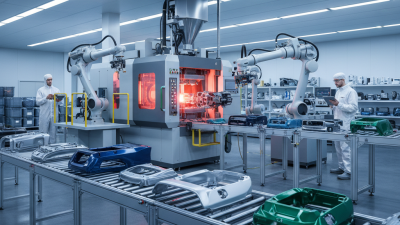
The injection molding process is a sophisticated method used to manufacture various plastic products. It begins with raw plastic pellets, which are heated until they melt. This melted plastic is then injected into a mold, where it cools and solidifies into the desired shape. Understanding this process helps in grasping its significance in manufacturing.
The components of an injection molding machine play a crucial role. The hopper feeds plastic pellets into the machine. The screw or plunger compresses these pellets, transforming them into a molten state. The mold, usually made from steel or aluminum, is essential. It defines the final product's shape and dimensions. Each component must function correctly for optimal operation.
However, the process can be tricky. Variations in temperature can lead to defects. Inconsistent material quality may affect the final outcome. Manufacturers often face challenges in achieving precise tolerances. Despite these issues, injection molding remains popular due to its efficiency and ability to produce complex shapes in large quantities.
Applications of Injection Molding Across Various Industries
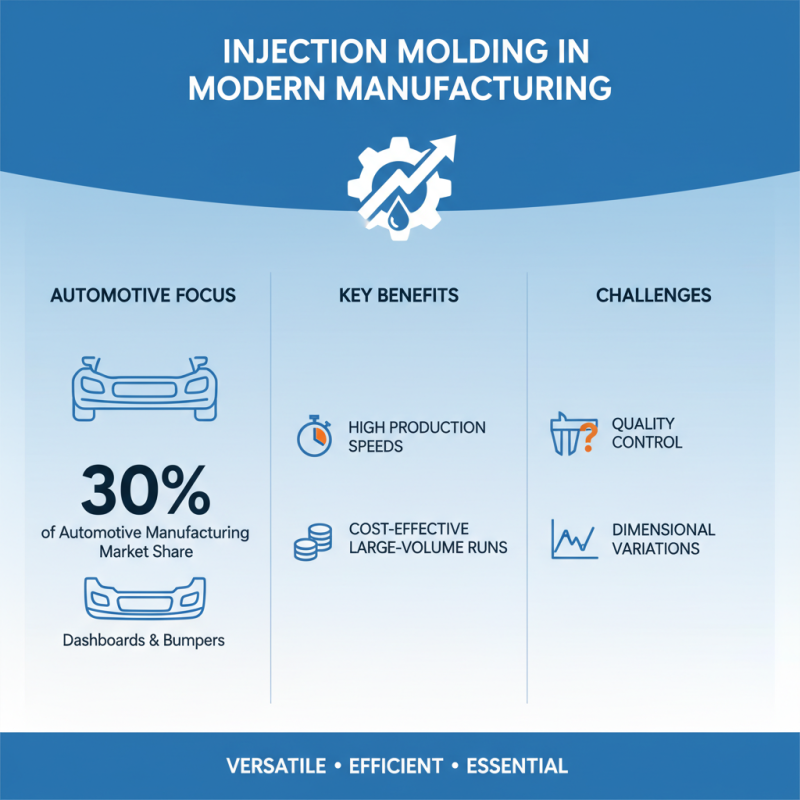
Injection molding is a cornerstone of modern manufacturing, utilized across diverse sectors. The automotive industry is a major user, relying on this process for parts like dashboards and bumpers. Reports indicate that injection molding accounts for approximately 30% of the total market share in automotive manufacturing. This method allows for high production speeds and cost-effective large-volume runs. However, quality control can be challenging, leading to variations in part dimensions.
Medical applications also benefit significantly from injection molding. Devices such as syringes and surgical instruments are produced with precision. According to industry research, the medical sector's demand for injection molding is projected to grow by 8% annually. Despite its efficiency, there can be waste generated in the process, raising environmental concerns. Companies are urged to adopt sustainable practices to mitigate this issue.
Consumer goods represent another vital area for injection molding. Items from containers to toys are produced using this technology. The global market for consumer goods manufactured through injection molding is expected to rise steadily. Nonetheless, mold design can be complex and costly. This often leads to delays that affect timelines and budgets. Finding a balance between quality and efficiency remains a hurdle for many manufacturers.