What is Plastic Molding Services and How Do They Work?
Plastic molding services are crucial in various manufacturing sectors. They enable the creation of intricate shapes from different materials. This process significantly influences product design and durability. Companies often rely on these services to produce high-quality components efficiently.
Understanding how plastic molding services work can enhance production efficiency. The process typically involves melting plastic and shaping it into desired forms using molds. This technique is widely used across industries, from automotive to consumer goods. The precision achieved through plastic molding is remarkable, ensuring that parts fit together perfectly.
However, not all plastic molding services provide the same level of quality. It's crucial to choose providers with proven expertise. One must also consider the environmental impact of using plastics. Choosing sustainable materials is becoming increasingly important. This reflection on both quality and responsibility guides better decision-making in manufacturing.
What is Plastic Molding Services?
Plastic molding services refer to processes that shape and form plastic materials into specific designs. This manufacturing technique is pivotal in various industries, including automotive, consumer goods, and healthcare. According to a report by Market Research Future, the global plastic molding market is expected to reach approximately $500 billion by 2025, driven by the rising demand for lightweight and durable products.
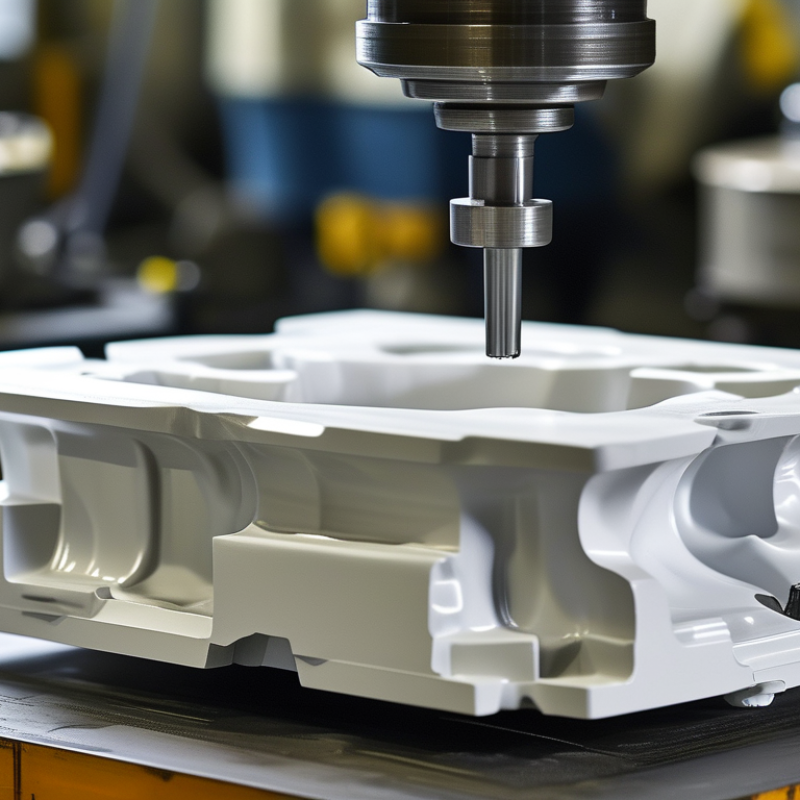
The process typically involves melting plastic pellets and injecting them into molds. These molds can produce a wide range of products, from small components to large parts. An important aspect is that not all molds are created equal. Precision in mold design is crucial for achieving the desired quality. However, manufacturers often face challenges, such as potential defects or uneven cooling, which highlight the importance of expertise in the field.
Research indicates that advancements in technology, such as 3D printing, are influencing traditional molding techniques. While some companies integrate these technologies to improve efficiency, others may struggle to adapt. The disparity in adoption rates creates a competitive landscape where innovation is essential. Integrating sustainable practices remains a need for reflection in the industry, as more consumers demand environmentally friendly options.
Types of Plastic Molding Processes Explained
Plastic molding services play a crucial role in manufacturing. Various processes enable the creation of intricate plastic parts. Understanding these processes helps businesses choose the right method for their needs.
Injection molding is one common technique. A heated plastic material is injected into a mold, then cooled to solidify. This process allows for complex shapes and high volumes. However, initial mold costs can be significant, which may not suit all projects.
Blow molding is another method. It forms hollow plastic parts by forcing air into a heated plastic tube. This technique is ideal for bottles and containers. Yet, it has limitations in shape and design flexibility. Understanding these processes helps industries leverage the advantages and minimize risks.
The Plastic Molding Process: Step-by-Step Overview
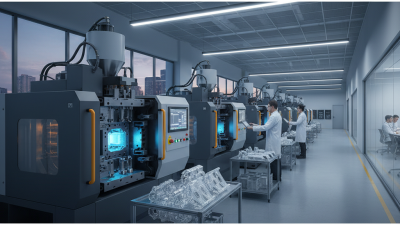
The plastic molding process is essential in many industries. It begins with heating plastic granules until they become malleable. The next step involves injecting this molten plastic into a mold. This mold shapes the plastic into the desired form. Cooling the plastic solidifies it, creating a sturdy product.
After the cooling period, the mold opens. The finished piece is then ejected. This process allows for high-volume production with consistent quality. However, precision in creating the molds is crucial. Even tiny errors can lead to defects. Maintaining the molds is also vital, as wear can affect production quality.
Different types of plastic molding exist, including injection and blow molding. Each method serves specific needs and offers various advantages. Understanding the nuances of these processes can minimize trial and error. Many businesses might not fully grasp the complexities involved. Investing time in learning about these methods pays off in the long run. Getting it right the first time can save significant costs later.
Applications and Industries Benefiting from Plastic Molding
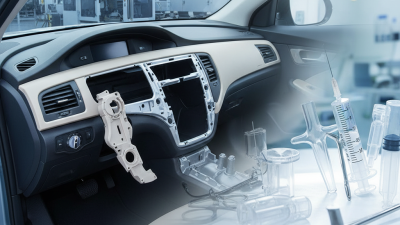
Plastic molding services play a crucial role in various industries. They enable mass production of components, providing efficiency and consistency. Automotive, consumer goods, and electronics rely heavily on these services. Each industry benefits uniquely from plastic molding. For example, the automotive sector uses molded parts for dashboards, bumpers, and interior components. This ensures weight reduction and enhanced fuel efficiency.
Consumer goods companies often lean on molding services for containers, toys, and household items. The customizability of molds allows for creative designs and functional products. Moreover, electronics like smartphones and laptops frequently employ molded plastics for casings and components. This enhances aesthetics while maintaining performance standards.
Despite these advantages, challenges persist. Not every design translates seamlessly into moldable products. Some intricate designs may face production difficulties. Materials can behave unpredictably during molding, leading to defects. Continuous improvement is necessary. Industries must adapt and innovate to overcome these hurdles.
Choosing the Right Plastic Molding Service for Your Needs
Choosing the right plastic molding service is crucial for any project. The global plastic molding market is projected to reach over $500 billion by 2025, reflecting its significance in various industries. Selecting a service requires understanding your specific needs, including material types and production volume. Different molding techniques, such as injection and blow molding, suit different requirements.
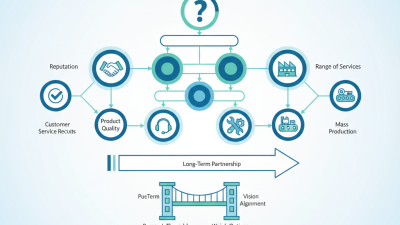
Evaluate service providers based on their experience and expertise. Companies with a solid track record often bring deeper insights into materials and processes. They can provide guidance on optimizing designs for cost-effectiveness. Research shows that 70% of manufacturers face challenges in sourcing quality parts, indicating the importance of choosing a reliable partner.
Consider the level of support and communication offered. Efficient suppliers can significantly reduce lead times and enhance project outcomes. However, some may lack transparency about their processes. It’s essential to ask questions upfront and request case studies or references. A careful evaluation can prevent costly mistakes and ensure your project aligns with industry standards.
Plastic Molding Services - Types and Demand Analysis