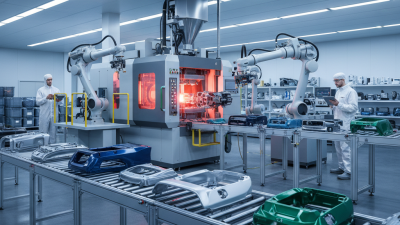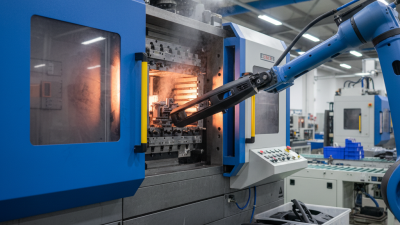

Custom plastic injection molding is a manufacturing method for producing plastic parts with a defined shape, repeatable dimensions, and controlled surface quality. It begins with melting plastic pellets and forcing the material into a precisely machined mold. After cooling, the mold opens, and the finished component is ejected. A small housing, medical fitting, automotive clip, or appliance panel may follow this same basic cycle.
The scale of the industry is substantial. PlasticsEurope reported global plastics production of approximately 414 million tonnes in 2023 in its Plastics—The Fast Facts 2024 report. Grand View Research has also identified strong growth in the injection molding plastics market, supported by packaging, healthcare, electronics, and transportation demand. These figures show opportunity, but they do not guarantee success for every project. Forecasts vary by definition, region, and research method. A forecast is not a promise.
Custom plastic injection molding becomes valuable when standard parts cannot meet a product’s geometry, strength, color, tolerance, or production volume. Engineers can select materials such as ABS, polypropylene, nylon, or glass-filled polymers. They must also consider wall thickness, draft angles, shrinkage, cooling time, and mold maintenance. Small design choices matter. A sharp internal corner can create stress. Uneven walls can cause warping. Even experienced teams sometimes miss these risks during early development.
Reliable production requires more than a mold and a machine. It requires documented material control, process monitoring, dimensional inspection, and practical design reviews. Industry guidance from the Society of Plastics Engineers emphasizes this connection between design decisions and manufacturing performance. The process is highly efficient, but never perfectly simple. Good results come from testing, measurement, and a willingness to revise assumptions.
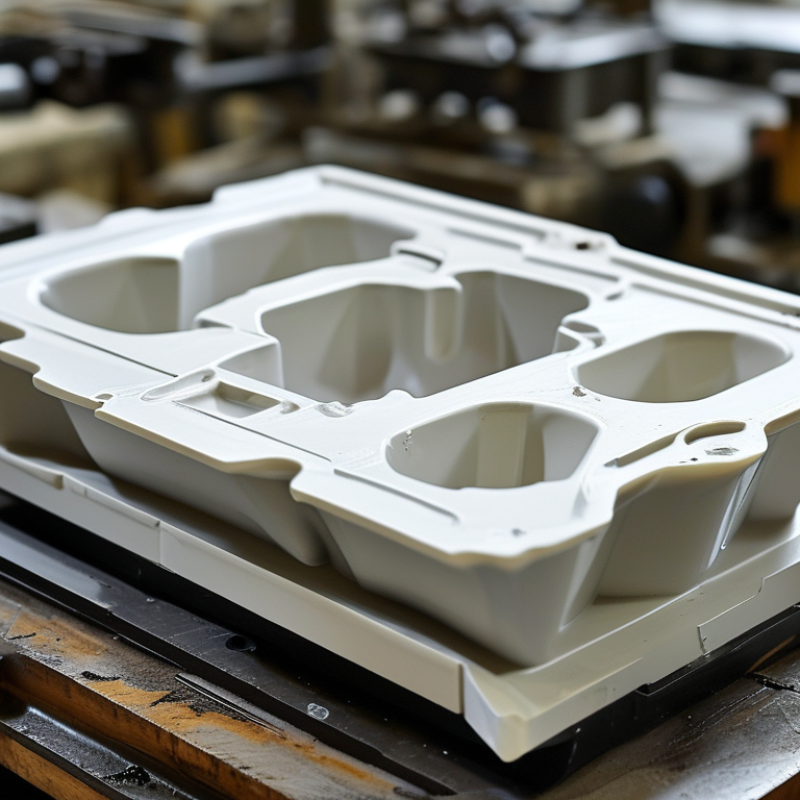
What Is Custom Plastic Injection Molding?
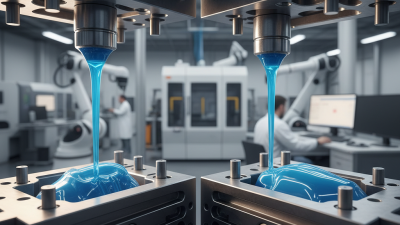
Custom plastic injection molding is a manufacturing process for producing parts shaped to specific design requirements. Plastic pellets enter a heated barrel, where controlled heat turns them into a flowing melt. A screw then pushes the material into a metal mold under pressure.
The mold defines the part’s geometry, surface texture, and key dimensions. After filling, the plastic cools inside the cavity until it becomes stable enough for ejection. Cycle time depends on material behavior, wall thickness, mold temperature, and cooling channel design. Small details matter. Uneven walls may cause warping, sink marks, or internal stress. Venting also deserves attention because trapped air can leave burns or incomplete features.
Custom molding begins before the machine starts. Engineers review the part design, select a suitable resin, and check draft angles, ribs, bosses, and tolerances. A practical design balances strength, appearance, production speed, and tooling cost. Tighter tolerances often require better process control and more mold maintenance.
Real production rarely follows the first simulation perfectly. Material batches can behave differently, and a minor temperature change may alter shrinkage. That is why trial runs, dimensional inspection, and documented adjustments remain essential. A part may look acceptable while failing a fit test. Experience helps identify these risks, but careful measurement should challenge experience when evidence disagrees.
| Dimension | Core Principle | Practical Description | Typical Considerations |
|---|---|---|---|
| Definition | A manufacturing process for producing plastic parts with a customer-specific mold and design. | Melted plastic is injected into a closed mold, cooled until solid, and ejected as a formed component. | Part geometry, material, volume, surface finish, dimensional requirements, and tooling life must be defined before production. |
| Design Input | The mold and part should be designed together for manufacturability. | A 3D CAD model, technical drawings, material specification, expected production quantity, and quality requirements guide the tooling design. | Wall thickness, draft angles, ribs, bosses, undercuts, parting lines, and ejection features influence cost and performance. |
| Mold Structure | The mold must withstand repeated pressure and temperature cycles while accurately defining the part. | A typical mold includes cavity and core sections, a runner or hot-runner system, gates, cooling channels, and an ejection system. | Mold complexity increases when parts require slides, lifters, inserts, unscrewing mechanisms, or multiple material and color features. |
| Material Selection | The resin must satisfy the part’s mechanical, thermal, chemical, appearance, and regulatory requirements. | Common thermoplastics include ABS, polypropylene, polyethylene, polycarbonate, polyamide, and thermoplastic elastomers. | Shrinkage, moisture sensitivity, reinforcement, flame performance, operating temperature, and recyclability can affect processing and design. |
| Injection Cycle | The process uses a controlled sequence to fill, pack, cool, and release the part. | The main stages are mold closing, injection, packing or holding, cooling, mold opening, and part ejection. | Cycle time depends on part size, wall thickness, resin behavior, mold temperature, cooling efficiency, and machine settings. |
| Temperature Control | Consistent thermal conditions support stable filling, cooling, shrinkage, and surface quality. | The resin is heated above its processing range, while mold temperature and cooling channels control solidification. | Incorrect temperatures may cause short shots, burn marks, warpage, weld-line weakness, excessive shrinkage, or poor surface appearance. |
| Pressure and Speed | Injection pressure and screw speed must be balanced to fill the cavity without damaging the material or mold. | Filling speed affects flow behavior, while holding pressure compensates for material contraction during cooling. | Settings are established through material data, mold-flow analysis, trial runs, dimensional checks, and visual inspection. |
| Dimensional Control | Repeatable dimensions depend on mold accuracy, resin behavior, process stability, and measurement methods. | Critical dimensions are checked against approved drawings or digital specifications after the process reaches stable conditions. | Tolerances should reflect functional requirements because tighter tolerances generally increase tooling, inspection, and process-control demands. |
| Common Defects | Defect prevention requires matching part design, material properties, mold layout, and processing conditions. | Frequent issues include sink marks, warpage, flash, voids, weld lines, burn marks, short shots, and flow marks. | Corrective actions may involve modifying gates, vents, cooling, wall thickness, drying conditions, pressure, speed, or temperature. |
| Production Volume | Tooling investment should be evaluated against expected part volume and product life. | Custom injection molding is generally well suited to repeated production because the mold can produce many consistent parts after qualification. | Low-volume projects may require simplified tooling, while high-volume programs may justify multi-cavity molds and automated handling. |
| Quality Verification | Quality is verified through documented requirements and repeatable inspection procedures. | Checks may include appearance inspection, dimensional measurement, material verification, functional testing, and first-article approval. | Sampling frequency and test scope should be based on part risk, critical features, production volume, and applicable industry requirements. |
| Primary Benefits | The process combines repeatability, complex geometry, and efficient production once tooling is qualified. | It can produce lightweight parts with integrated features, consistent appearance, and limited secondary machining. | The main trade-offs are upfront mold cost, design lead time, material limitations, and the need for careful process development. |
Custom plastic injection molding is most effective when product design, material selection, mold engineering, process control, and quality verification are treated as one integrated system.
Custom plastic injection molding creates parts by injecting molten polymer into a shaped mold. Material choice affects strength, shrinkage, cycle time, surface finish, and service life. In production settings, engineers match resin behavior with temperature, load, moisture, and chemical exposure. Surface finish matters. A glossy sample can mislead. Performance matters after thousands of cycles.
Polypropylene is lightweight and resists moisture, making it useful for living hinges, containers, and interior components. ABS offers balanced toughness and a clean surface, but outdoor exposure may reduce its durability. Polycarbonate provides high impact resistance and transparency, although poor molding can create stress marks.
Nylon handles demanding loads and wear. It also absorbs moisture, which can change dimensions. Drying is essential.
For low-friction parts, acetal is often considered. TPE adds a soft, flexible feel to grips and seals. Glass fibers can stiffen nylon or polypropylene, yet they may increase warpage and reduce surface uniformity.
Recycled content can lower material impact, but its consistency requires verification. Test it carefully. A perfect material choice rarely exists.
Small trial runs reveal problems that simulations may miss. Engineers should check melt flow, moisture, color stability, and batch records before production approval. Material datasheets guide decisions, but actual mold trials deserve equal respect.
Custom plastic injection molding creates parts by forcing heated plastic into a shaped mold. The process begins with clear requirements, including dimensions, strength, surface finish, and expected production volume. Engineers then develop a 3D model and check wall thickness, draft angles, ribs, and openings. Small details matter here. A sharp internal corner may cause stress or make ejection difficult.
The mold is machined from durable metal and tested for alignment, cooling, and material flow. After the mold is installed, the machine heats plastic pellets until they become fluid. A screw injects the melt into the cavity under controlled pressure.
Cooling channels remove heat while the part solidifies. Ejector pins then release the molded piece. Technicians inspect dimensions, weight, appearance, and possible warping. Early samples often expose problems that drawings hide. That is normal, but ignoring them becomes expensive.
Tips: Keep walls as even as practical. Add draft to reduce ejection marks. Place gates where vestiges will not affect assembly or appearance. Confirm the chosen plastic’s shrinkage data before cutting the mold. Use measurement records, not visual judgment alone. A minor adjustment in temperature or holding pressure can change the final result. Molded parts may look acceptable at room temperature, yet fail after repeated heat or load. Testing the real use conditions is wiser than trusting one perfect sample.
Custom plastic injection molding forms melted polymer inside a precisely machined mold. The process can produce thousands of consistent parts. However, quality and cost depend heavily on design decisions made before tooling begins.
Wall thickness is a major factor. Uneven sections may cool at different speeds, causing sink marks, warping, or internal stress. A steady wall near 2 to 3 millimeters often improves stability, though material choice changes the target. Keep it practical. Sharp internal corners also create stress and complicate machining. Small radii usually support smoother material flow and longer mold life.
Draft angles help parts release without scratches or excessive ejection force. Ribs can strengthen a housing, but overly thick ribs may leave visible marks. Gate location affects weld lines, filling pressure, and surface appearance. It should be reviewed with the expected load and cosmetic areas in mind. Tolerances deserve caution. Extremely tight dimensions can increase inspection, tooling, and scrap costs without improving function. Many projects discover this too late.
Material selection affects shrinkage, temperature resistance, texture, and cycle time. Mold cooling channels must remove heat evenly, especially around thick bosses. A poorly cooled mold may produce acceptable samples but unstable production parts. Design reviews should include mold flow analysis and physical prototypes when risk is high. These tools help, but they are not perfect. Real production conditions can still reveal assumptions that need revision.
What Is Custom Plastic Injection Molding?
Custom plastic injection molding produces shaped plastic parts with a tool designed for a specific product. Heated resin enters the mold cavity, cools, and forms the final component. This method suits appliance knobs, electronic housings, automotive clips, medical device covers, and laboratory trays. It supports fine ribs, snap-fit joints, textured surfaces, and consistent dimensions. For medium or large production runs, repeatability can reduce labor and material waste. Tooling costs remain a serious consideration.
Tips: Review wall thickness, draft angles, and likely shrinkage before cutting steel. Choose a resin according to heat, impact, moisture, and chemical exposure. A prototype can reveal weak clips, visible weld lines, or awkward assembly. Small flaws become expensive later.
A strong mold design can combine several functions in one part. That may reduce screws, secondary operations, and assembly time. Automated molding also helps maintain stable cycle times when operators follow documented process controls. However, custom molding is not automatically the cheapest choice. A complex tool may require longer development and careful maintenance. Poor gate placement can cause warpage or uneven surfaces. Recycled content may also affect color, strength, and processing consistency. Teams should test production samples, measure critical dimensions, and record process changes. The “perfect” first design is uncommon. Careful refinement usually delivers the dependable result.
Custom plastic injection molding produces molded parts by injecting molten thermoplastic into a precision-made mold. It is widely used for repeatable production of packaging, medical components, automotive interiors, electronics housings, and industrial parts.
The chart shows representative cycle-time reference values for common application types. Actual cycle time varies according to part size, wall thickness, polymer, mold design, cooling efficiency, and required surface finish. Custom injection molding benefits manufacturers through consistent quality, scalable production, complex geometries, and reduced unit cost at higher volumes.
All products and services provided by Innovative Plastic Molders, Inc. will meet or exceed our customer's perceived requirements and expectations. We will listen and respond to what our customers are telling us in a timely and forthright manner.

ISO 9001:2015 CERTIFIED
© Copyright 2009 – Innovative Plastic Molders, Inc.
Website by Central 8 Marketing
10451 Dog Leg Road Ste 200
Vandalia, OH 45377
Phone: 937.898.3775
Fax: 937.535.0640
Email: sale@endtheplastic.com