BLOG

10 Best Injection Molding Companies Worldwide?

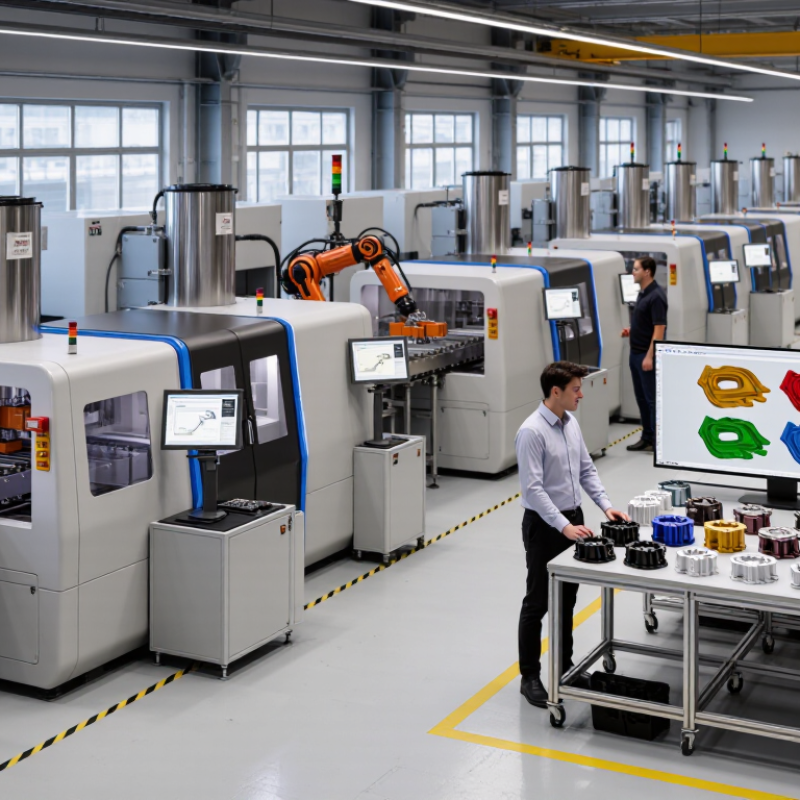
Choosing among the 10 best injection molding companies worldwide requires more than comparing glossy websites or impressive production figures. A capable supplier must convert a detailed CAD model into consistent parts, whether the order involves medical housings, automotive clips, or everyday packaging. This introduction explores companies through practical evidence, including molding experience, engineering support, material knowledge, quality systems, and international delivery capability. Factory scale matters. It is not everything.

Reliable manufacturers usually explain their tooling process clearly. They discuss mold flow, cooling channels, shrinkage, tolerances, and part inspection without hiding behind vague promises. Look for measurable details, such as automated visual checks, documented sampling procedures, and traceable batch records. Certifications can strengthen confidence, but buyers should verify their scope and current validity. A certificate alone does not guarantee excellent communication or stable production.

Customer experience also deserves attention. Response times, design-for-manufacturing advice, prototype flexibility, and after-sales support can shape the final result. A supplier that identifies a weak draft angle before tooling begins may save weeks and significant costs. That practical judgment often matters more than the lowest quotation. No ranking is perfect. Regional strengths, industry requirements, and project complexity can change the outcome. A company praised for high-volume automotive work may not suit a small, complex medical component. This guide therefore treats the “best” label carefully, comparing verifiable capabilities rather than repeating marketing claims. The goal is a balanced starting point for informed sourcing decisions. Check the details yourself.
10 Best Injection Molding Companies Worldwide?

What Defines a Leading Injection Molding Company?

What Defines a Leading Injection Molding Company?

A leading injection molding company delivers more than attractive sample parts. It controls the full production chain, from mold design and resin selection to packing and shipment. Grand View Research estimated the global injection molded plastics market at roughly USD 180 billion in 2023. That scale increases pressure on suppliers to prove consistency, not merely promise capacity.

Process evidence matters. Strong manufacturers use documented design reviews, mold-flow analysis, first-article inspection, and statistical process control. They should share dimensional reports, material certificates, and traceability records without resistance. A stable factory can explain why a 0.05-millimeter variation occurred. It can also show how the issue was corrected. ISO 9001 certification supports disciplined systems, but certification alone does not guarantee excellent parts. A polished website proves little.

Sustainability now requires measurable action. PlasticsEurope reported 413.8 million tonnes of global plastics production in 2023, making material efficiency increasingly important. Leading suppliers reduce scrap, optimize cycle times, and evaluate recycled content where performance allows. They also protect workers and follow applicable chemical, environmental, and product-safety requirements. Response speed is another practical test. Engineers should answer technical questions clearly, especially during tooling changes. No supplier is perfect. I would still question any factory claiming zero defects, unlimited capacity, and immediate delivery. Credibility grows through transparent limits, repeatable data, and documented improvement.

10 Best Injection Molding Companies Worldwide? What Defines a Leading Injection Molding Company?

A leading injection molding company is evaluated by more than production capacity. This editorial benchmark weighs the practical capabilities most often considered when selecting a global manufacturing partner.

The percentages represent an evaluation framework rather than the performance of any specific company. Quality systems, engineering expertise, delivery reliability, sustainability, compliance, production scale, and customer support are key dimensions for comparing suppliers.

Key Criteria for Evaluating Global Injection Molding Companies

Choosing among the 10 best injection molding companies worldwide requires more than comparing hourly rates.

In practice, evaluate process control, mold engineering, material expertise, and delivery discipline. Ask for capability studies, not polished brochures. A reliable supplier should show repeatable cycle times, dimensional data, and documented corrective actions. ISO 9001 certification helps, but it does not prove stable production.

Scale also needs careful interpretation. Grand View Research estimated the global injection molding machine market at approximately USD 10.45 billion in 2023, with continued growth expected through 2030. This expansion increases capacity, but capacity alone cannot guarantee quality. Review press availability, automation levels, preventive maintenance, and backup plans for critical tools. A factory tour should include the quality laboratory, mold room, and finished-part inspection area.

Sustainability is now a practical selection criterion. PlasticsEurope reported global plastics production of about 400.3 million tonnes in 2022. The OECD also found that only 9% of plastic waste was recycled globally in 2019. Therefore, assess recycled-content control, scrap measurement, energy monitoring, and design-for-recycling support. Request verified data rather than broad environmental claims. Cost comparisons should include tooling changes, freight, inventory, and rejected parts. The cheapest quotation can become expensive quickly. A perfect supplier ranking is unlikely; technical fit depends on part geometry, volume, tolerances, and regional risk.

Top Injection Molding Companies by Global Market Presence

10 Best Injection Molding Companies Worldwide?

Global market presence is more than a factory map. Leading injection molding companies support customers across several regions, with local engineering, tooling, production, and service teams. Their facilities often serve automotive, medical, electronics, packaging, and industrial markets. Consistent delivery matters. So does the ability to adjust production when demand changes.

A strong supplier usually combines modern molding machines with disciplined process control. Look for documented quality systems, traceable materials, preventive maintenance, and skilled technicians. Regional plants can reduce shipping time and simplify communication. They may also understand local standards more accurately. However, a large international footprint does not automatically prove better performance. That assumption is too neat.

From supplier evaluations, practical evidence often reveals more than promotional claims. Buyers should review sample parts, dimensional reports, tooling records, and corrective-action history. Ask how each site handles color variation, warpage, machine downtime, and engineering changes. Small details matter. A clean production floor helps, but it cannot replace reliable data. Customer references should include projects with similar materials, tolerances, and annual volumes.

Market rankings can also change quickly. Capacity expansions, energy costs, logistics disruptions, and workforce shortages affect competitiveness. Some companies appear global but depend heavily on one region. Others operate fewer plants yet provide stronger technical support. I would compare regional coverage, verified quality results, response speed, and total landed cost before choosing a partner. The best fit may not be the largest supplier.

10 Best Injection Molding Companies Worldwide? - Top Injection Molding Companies by Global Market Presence
Rank Anonymous Company Profile Primary Global Coverage Estimated Manufacturing & Service Footprint Core Injection Molding Capabilities Main Served Industries Global Presence Indicator
1 Profile A North America, Europe, Asia-Pacific and Latin America More than 50 combined production, engineering and service locations High-speed packaging, thin-wall molding, large-scale production and automation integration Food Packaging Beverage Packaging Healthcare Consumer Products ★★★★★
Very high multinational operating scale
2 Profile B Europe, North America, Asia-Pacific and selected emerging markets More than 30 manufacturing, technical and customer-support locations Precision molding, closure systems, medical components, injection-compression and turnkey systems Healthcare Personal Care Closures Specialty Packaging ★★★★★
Strong regional production and technical support network
3 Profile C North America, Europe, Asia-Pacific and the Middle East More than 25 industrial and service facilities across major manufacturing regions Rigid packaging, container molding, extrusion blow molding and high-volume polymer processing Food & Beverage Household Products Industrial Packaging ★★★★★
High installed-base visibility in rigid packaging
4 Profile D Asia-Pacific, Europe, North America, Africa and Latin America More than 20 production plants and a broad distributor/service-partner network Standard and high-speed injection molding machines, PET preforms, packaging and multi-component molding Packaging Automotive Consumer Goods Electronics ★★★★★
Extensive international machine-installation base
5 Profile E Europe, North America, Asia-Pacific and South America More than 15 manufacturing and engineering sites, supported by local sales offices Electric and hydraulic injection molding, micro molding, medical molding and process automation Medical Devices Automotive Electronics Technical Parts ★★★★☆
Strong premium-technology and engineering presence
6 Profile F Europe, North America, China, Southeast Asia and India More than 15 production, technology and service locations worldwide Large-scale molding, multi-material systems, stack molds, automation and integrated production cells Automotive Packaging Appliances Industrial Components ★★★★☆
Broad technology range and international service coverage
7 Profile G North America, Europe, Asia-Pacific and Mexico More than 10 manufacturing and technical-support facilities, plus regional partners High-performance molding systems, hot runners, PET preforms, closures and complex packaging applications Beverage Packaging Food Packaging Healthcare ★★★★☆
Strong global recognition in high-output packaging applications
8 Profile H Europe, North America, Asia-Pacific and selected Middle Eastern markets More than 10 production, engineering and customer-service locations Electric molding, hydraulic molding, multi-component technology, thin-wall molding and digital process monitoring Automotive Medical Consumer Electronics Packaging ★★★★☆
Established presence across advanced manufacturing markets
9 Profile I Europe, North America, Asia-Pacific and Latin America More than 10 regional sites and a global network of authorized distributors Servo-hydraulic and electric machines, auxiliary equipment, automation and process-control solutions Industrial Parts Automotive Consumer Products Packaging ★★★★☆
Wide installed base and strong aftermarket support
10 Profile J Europe, North America, Asia-Pacific and selected growth markets Several manufacturing and service locations supported by regional technical centers Precision molding, electric machines, multi-component systems, cleanroom applications and automation Medical Technology Electronics Automotive Technical Packaging ★★★★☆
Specialized international presence in precision applications
Comparative figures are presented as rounded ranges or footprint categories based on publicly reported manufacturing locations, service networks, technology portfolios and international market coverage. Anonymous profiles are used to avoid displaying company names or brand-specific data.

Services, Technologies, and Industries Served by Leading Firms

The 10 best injection molding companies worldwide are not defined by size alone. Strong firms combine tool design, prototype support, production molding, assembly, and quality inspection. Their engineers review wall thickness, draft angles, cooling channels, and material flow before cutting steel. This practical experience can prevent warped panels, short shots, and costly production delays. Leading suppliers also use multi-cavity molds, insert molding, overmolding, and automated inspection. Their technologies serve medical devices, automotive components, consumer electronics, packaging, and industrial equipment.

Tips: Compare a supplier’s process evidence, not polished promises. Ask for sample inspection reports, mold-maintenance schedules, and documented material traceability. Confirm whether the team can support your required tolerance and annual volume. A factory may offer advanced machines but lack reliable project communication. That weakness matters.

The best partner also understands regional compliance, shipment planning, and production risk. Look for validation methods, trained technicians, and clear change-control procedures. Digital mold-flow analysis can reveal air traps before manufacturing begins. Robotic part removal may improve consistency, while clean production areas support sensitive applications. However, automation is not always the answer. A smaller, carefully supervised line may perform better for complex, low-volume parts. No supplier is perfect. I would still review defect data, response times, and customer references before signing a long-term agreement.

How to Select the Right Injection Molding Company for Your Project

Choosing among the 10 best injection molding companies worldwide requires more than comparing online rankings. Your project needs a supplier with proven experience in similar parts, materials, and production volumes. Ask for sample parts, dimensional reports, and clear evidence of process control. A capable company should explain mold design, cooling channels, cycle times, and expected tolerances without hiding behind technical language.

Review the complete cost, not only the initial quotation. Tooling, maintenance, packaging, inspection, shipping, and future mold changes can alter the final budget. Confirm the supplier’s equipment capacity and quality procedures. Traceability matters when every batch must match the approved sample. Communication matters too. Delayed answers may become delayed production. A factory visit or remote audit can reveal practical details, such as organized storage, calibrated instruments, and clean work areas. These details are easy to overlook.

Tips: Prepare a detailed part drawing, resin specification, annual volume, and tolerance list. Request a design-for-manufacturing review before approving the mold. Compare at least three technical proposals. Do not choose the lowest price automatically. In practice, a cheap mold may bring flash, warping, or repeated repairs later. I have learned that supplier selection is rarely perfect; even a strong partner can misjudge demand or lead time. Leave room for testing, honest discussion, and a backup plan. Ask who owns the mold, how changes are approved, and how quality problems are handled. Clear answers usually indicate a more reliable working relationship.

Go to Top